
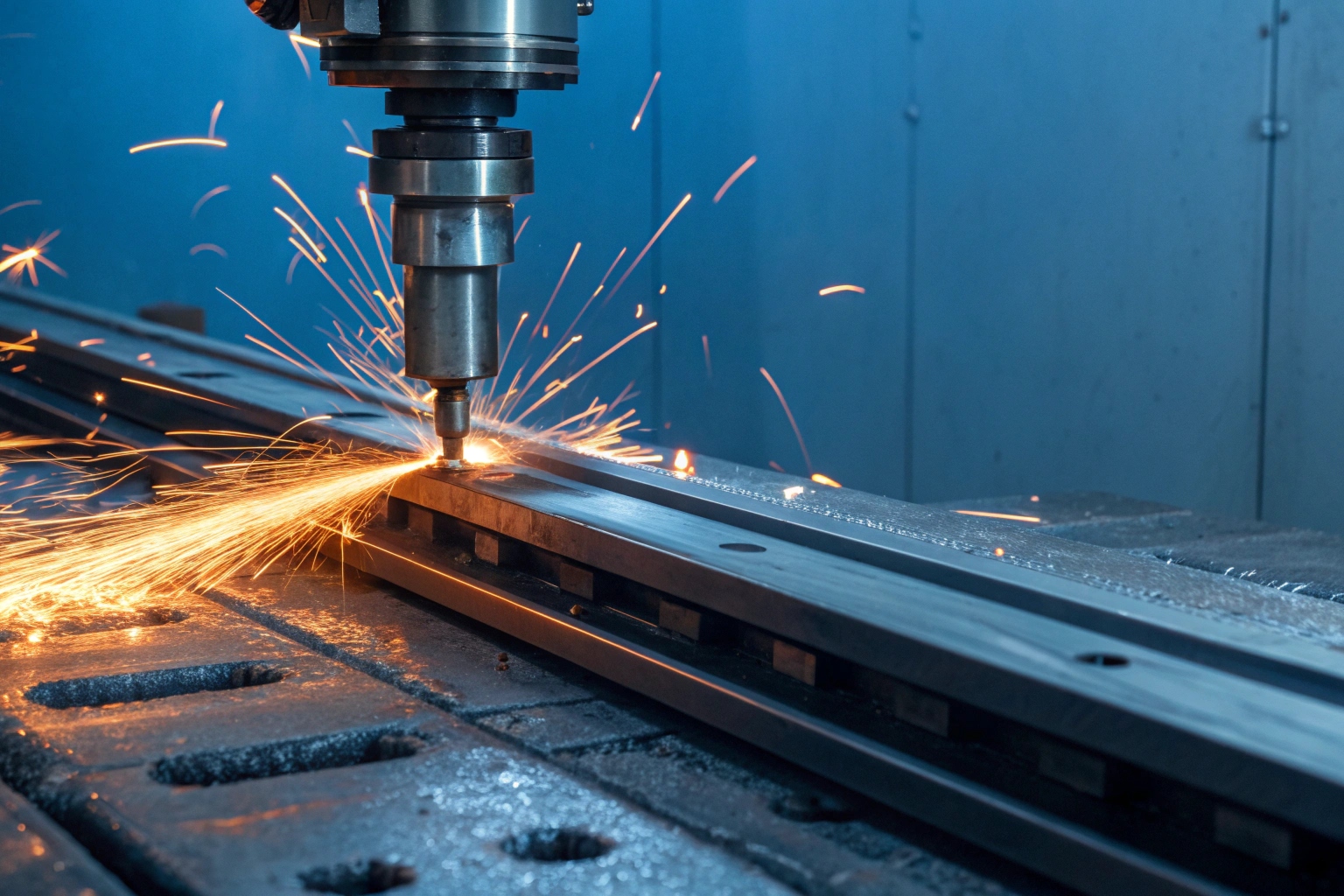
Are you aware that even slight deviations in hardness and roughness at the mating surface can drastically influence the lifespan and performance of your track chain 1? I once faced an issue with a worn track chain that led to downtime, which taught me the importance of these specifications.
The hardness of the mating surface should ideally range from HRC 48 to 55 to resist wear and impact, ensuring durability under operational stress. Maintaining surface roughness 2 between Ra 1.6-3.2µm helps reduce friction and prevents undue wear. Such specifications are crucial to ensure longevity and reliability.
To retain performance, thorough checks with Rockwell hardness tests 3 ensure compliance to standards, examining 5% of the total batch for roughness and ensuring assembly gap does not exceed 0.1mm. These quality control measures ensure seamless operations.
How does a rough or uneven mating surface on the shoe affect the wear life of my (very expensive) track chain?
Have you experienced unexpected breakdowns due to part failure? I realized, after an incident, how a neglected surface issue could lead to costly repairs and downtime.
A rough or uneven mating surface 4 escalates friction, accelerating wear on the track chain components. It can cause misalignment, increasing stress on components and accelerating failure. Maintaining even surfaces significantly prolongs chain life and reduces maintenance costs.

To delve deeper, when surfaces do not interact smoothly, additional stress is placed on the track shoe assembly. The altered interactions can create vibrations and unwanted movement, leading to a phenomenon known as "fretting" 5. Fretting increasingly wears down the material over time, not only diminishing the functional life of the track chain but potentially leading to catastrophic failures.
The Importance of Surface Preparation
Effective surface preparation is pivotal. It includes removing any paint or dirt to ensure full metal contact. Manufacturers emphasize achieving “shiny bright metal” surfaces to avert bolt loosening due to reduced friction.
Material and Hardness Considerations
The preferred material for track shoes is often boron steel 6 (like 23MnB), which undergoes heat treatment 7 for ideal hardness. This ensures the material possesses necessary toughness as well as resistance to wear and deformation under pressure.
Standardization in Quality Checks
Quality checks adhere to strict guidelines, using hardness testers and roughness measurements. A standardized quality assurance process is critical to ensure the components meet benchmark standards, ultimately supporting reliability and performance in heavy machinery operations.
Does this mating surface need to be as hard as the grouser bar, or should it be softer?
Reflect on your maintenance routine: have you considered the hardness parity between parts? Misalignment can increase costs and reduce operational efficiency.
Ingredients of success in wear resistance include having the mating surface match the hardness of the grouser bar, which helps avoid uneven wear and ensures consistent performance. Therefore, parity is preferred to prevent one from outwearing the other.
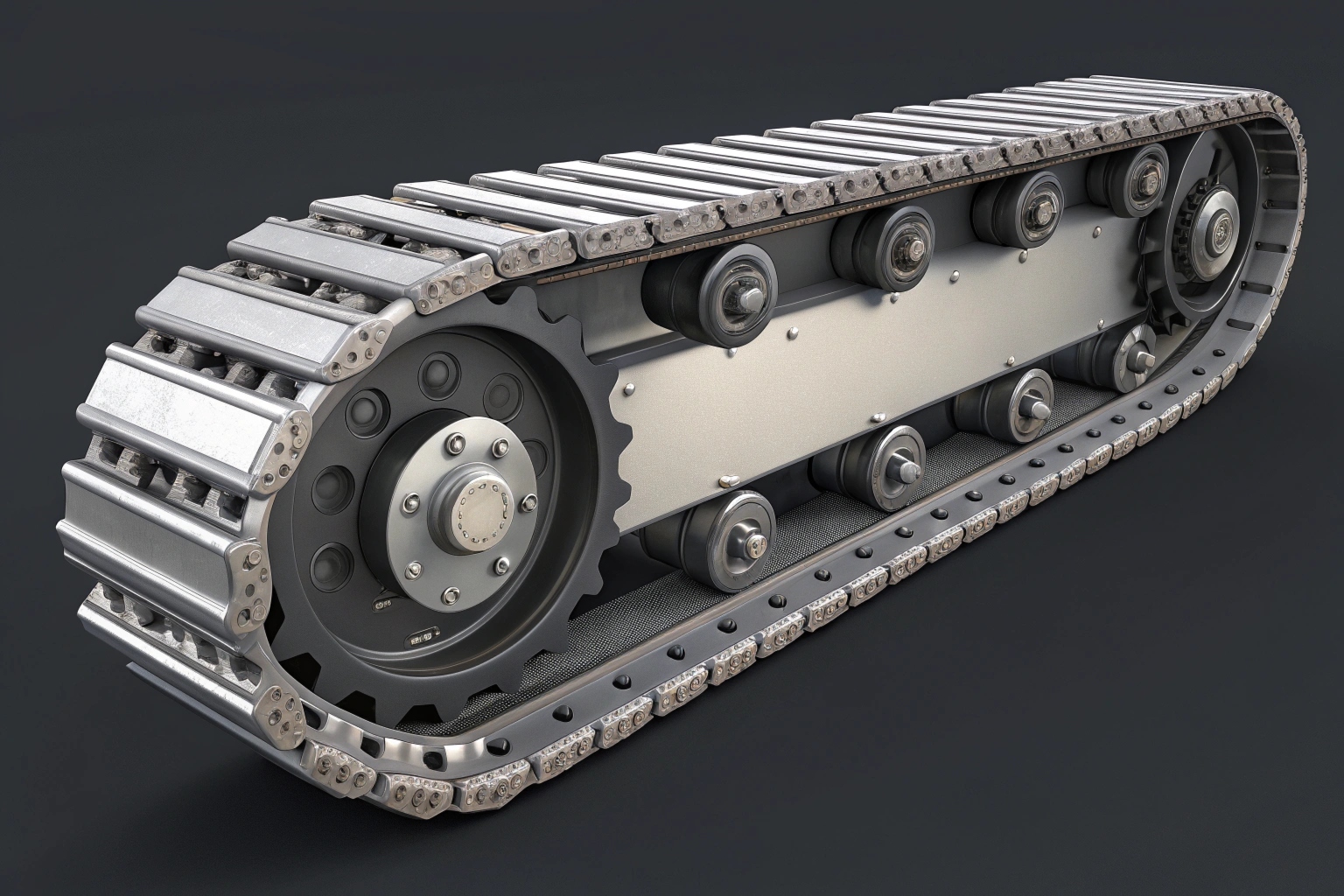
Hardness parity in these components is essential. When the mating surfaces of the shoe and the link carry closely matched hardness levels, impact loads are distributed efficiently across both surfaces.
Brinelling Prevention
Ensuring parity also prevents brinelling 8, where a harder surface leaves indentations on a softer counterpart. This practice helps mitigate void formation, maintaining joint integrity and preventing adjustments that lead to preload loss on bolts.
Ensuring Durability Through Hardness
The balance between parts ensures the surfaces engage correctly, minimizing alterations in metal contacts. While it's tempting to make one surface harder, consistent hardness across components prevents performance lapses and enhances the system's longevity.
What manufacturing process (e.g., grinding, milling) do you use to ensure a smooth and flat mating surface?
Have you ever pondered the intricate processes involved in manufacturing your equipment parts? Understanding the method can clarify many dependence issues.
The choice of manufacturing process significantly influences the mating surface quality. Grinding is typically used for superior flatness and smoothness, and it supports the adherence to strict tolerance levels for optimal performance.

To ensure the targeted smoothness and flatness, manufacturers employ precision milling 9 and grinding techniques. Each process has its benefits, often complemented by meticulous quality control.
Milling Vs. Grinding
| Process | Advantage | Common Usage |
|---|---|---|
| Milling | Flexibility in shaping | Used for initial shaping |
| Grinding | Precision finishing | Ideal for surface finishing |
Milling is employed initially to achieve general shape and remove significant material. In contrast, grinding is applied to attain the precision and surface finish needed to match the exacting standards required in heavy machinery components.
Quality Control and Precision
Quality inspections, including surface roughness and flatness checks, are embedded throughout the production process. These help detect deviations early, allowing for corrections to ensure final components meet design specifications.
Precision measurements for flatness ensure the resulting components support entire assembly operations without disruptions. Delicate measurements avoid misalignments that could trigger compounded wear or premature failures.
Are these specific tolerances (e.g., flatness, roughness) part of your standard 100% quality check?
With stakes high in industrial operations, is routine quality checking sufficient to ensure consistent performance?
Precise tolerances such as flatness and roughness are maintained through comprehensive quality assurance checks. Ensuring these tolerances adhere to the standards is integral for reliable machinery operation and longevity.
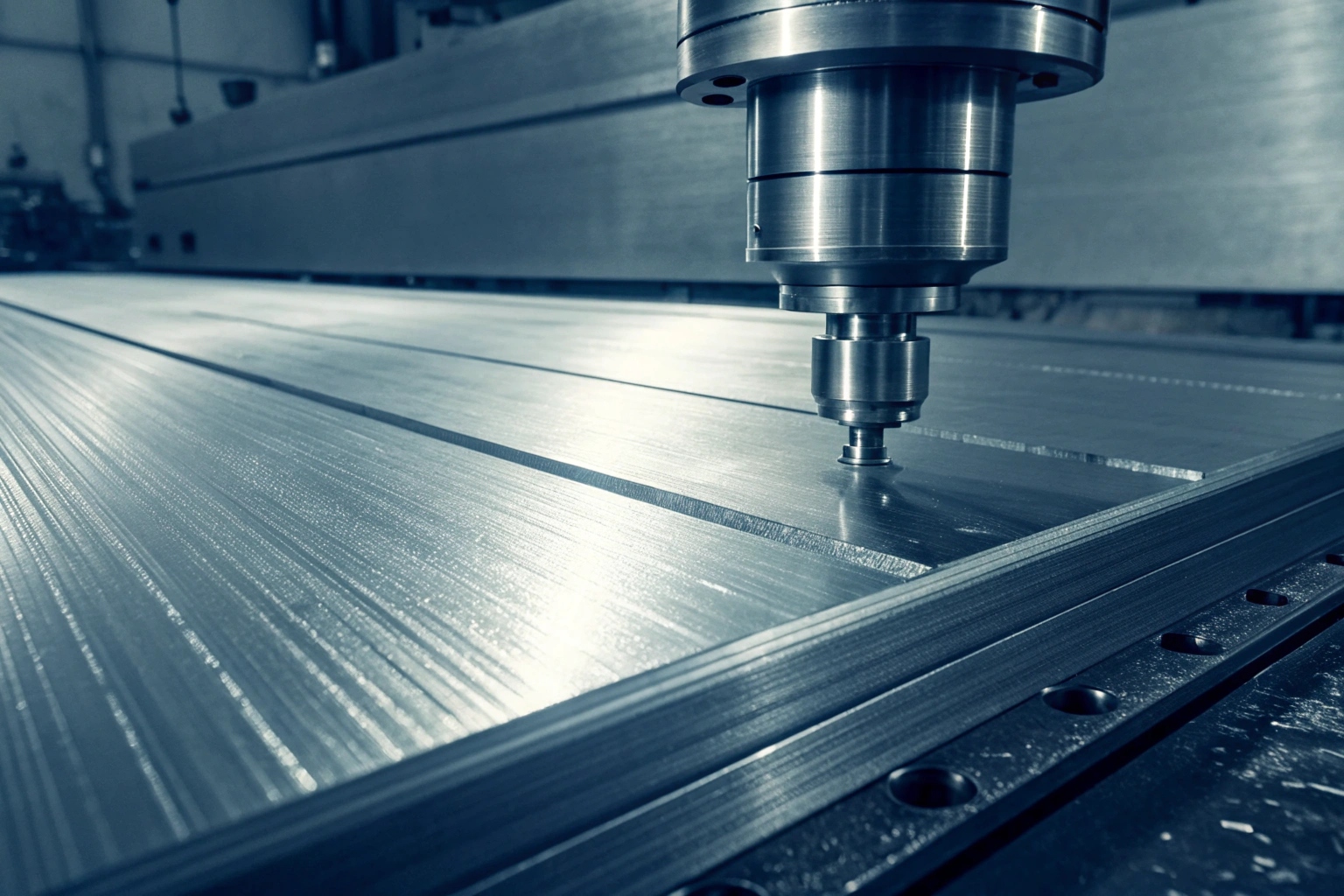
Routine execution of Rockwell tests and roughness scans of each batch of components represents precision practices. Selecting these consistently confirms adherence to standards, preventing any downstream failures.
Tolerance Levels
Surface inspections focus on attributes like flatness with maximum deviation often restricted to 0.1mm over a contact area. This limitation ensures high load distribution consistency across mating surfaces, a crucial feature in maintaining bolt tension and integrity during heavy machinery operations.
Role of Certifications
| Inspection Method | Purpose | Frequency |
|---|---|---|
| Hardness Testing | Ensures surface durability | 100% |
| Surface Roughness | Confirms interaction quality | 5% of batches |
| Flatness Checks | Uniform pressure distribution | As required |
Compliance with certifications, like ISO 9001 10 and SGS, emphasizes quality and reliability across production lines and operational processes.
Conclusion
Meeting strict hardness and roughness specifications crucially extends component life, ensuring reliability and smooth machinery operation.
Footnotes
1. Explanation of track chain mechanics in heavy machinery. ↩︎
2. Guide to measurement parameters for surface texture. ↩︎
3. Standard methodology for testing metallic material hardness. ↩︎
4. Importance of contact interfaces in mechanical design. ↩︎
5. Analysis of wear caused by low-amplitude vibration. ↩︎
6. Benefits of boron steel for wear resistance. ↩︎
7. Processes for altering physical properties of metals. ↩︎
8. Identification of permanent indentation damage on surfaces. ↩︎
9. Overview of material removal processes for shaping. ↩︎
10. International standards for quality management systems. ↩︎