
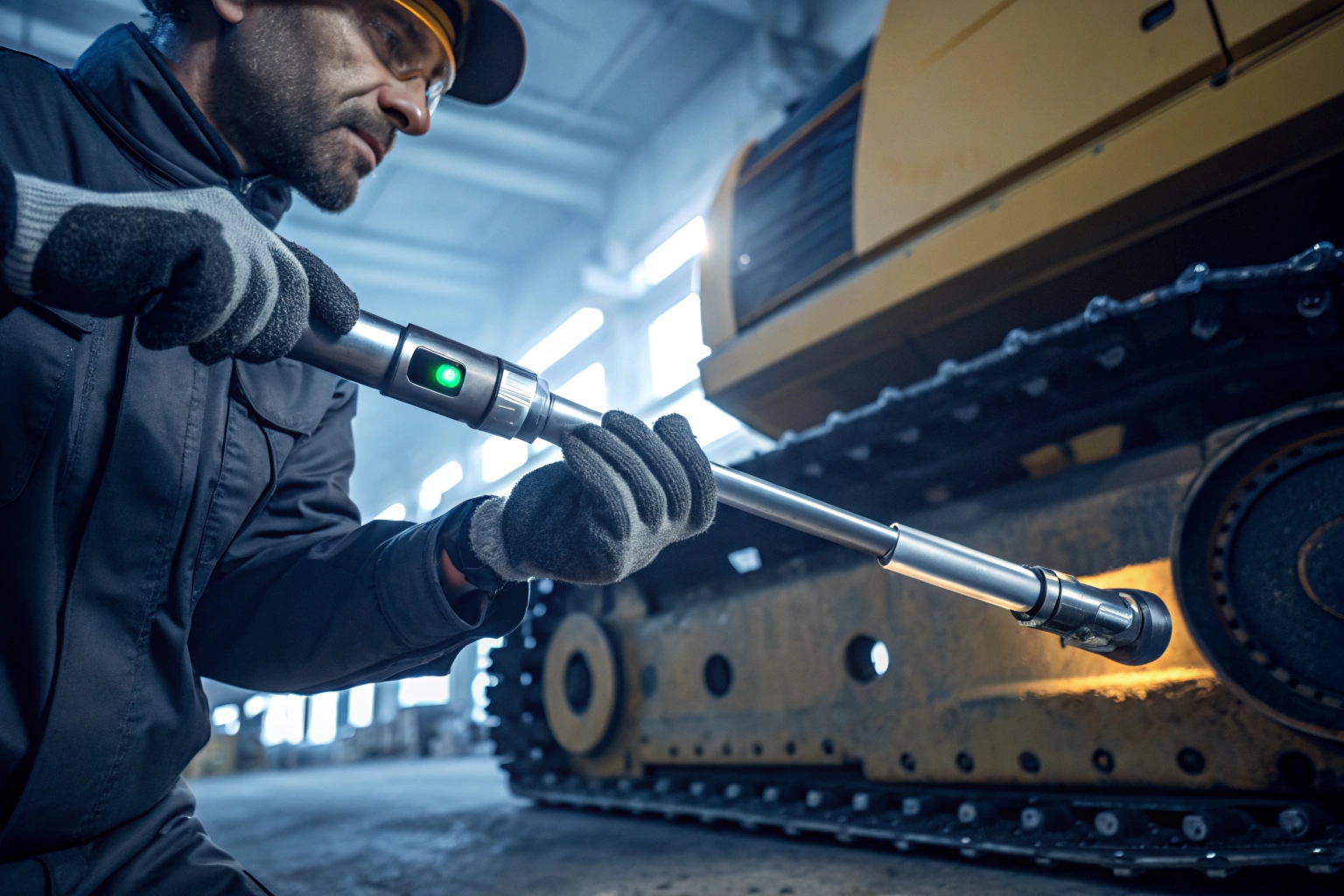
Making sure that the track shoe assembly bolts remain secure during operation is crucial. As a professional dealing with these components, I've always found it essential to focus on the correct torque application, suitable locking methods, and regular checks to ensure operational safety and efficiency.
To effectively keep track shoe bolts from loosening during operation, it is important to use a combination of proper torque, locking methods, and verification. Tightening bolts to the manufacturer's specification 1 with a calibrated torque wrench 2, applying medium-strength thread locker 3, and regularly inspecting bolt integrity are effective strategies. Each of these methods contributes to maintaining the preload, preventing loosening caused by vibration.
The maintenance of track shoe assembly bolts is not just about tightening them and forgetting about it. Regular maintenance is key to ensuring the overall health of the equipment, as worn out or loose bolts can lead to equipment failure and safety hazards.
What Is the Most Effective Method for My Customers: Correct Torque, or Using Thread-Locking Compounds?
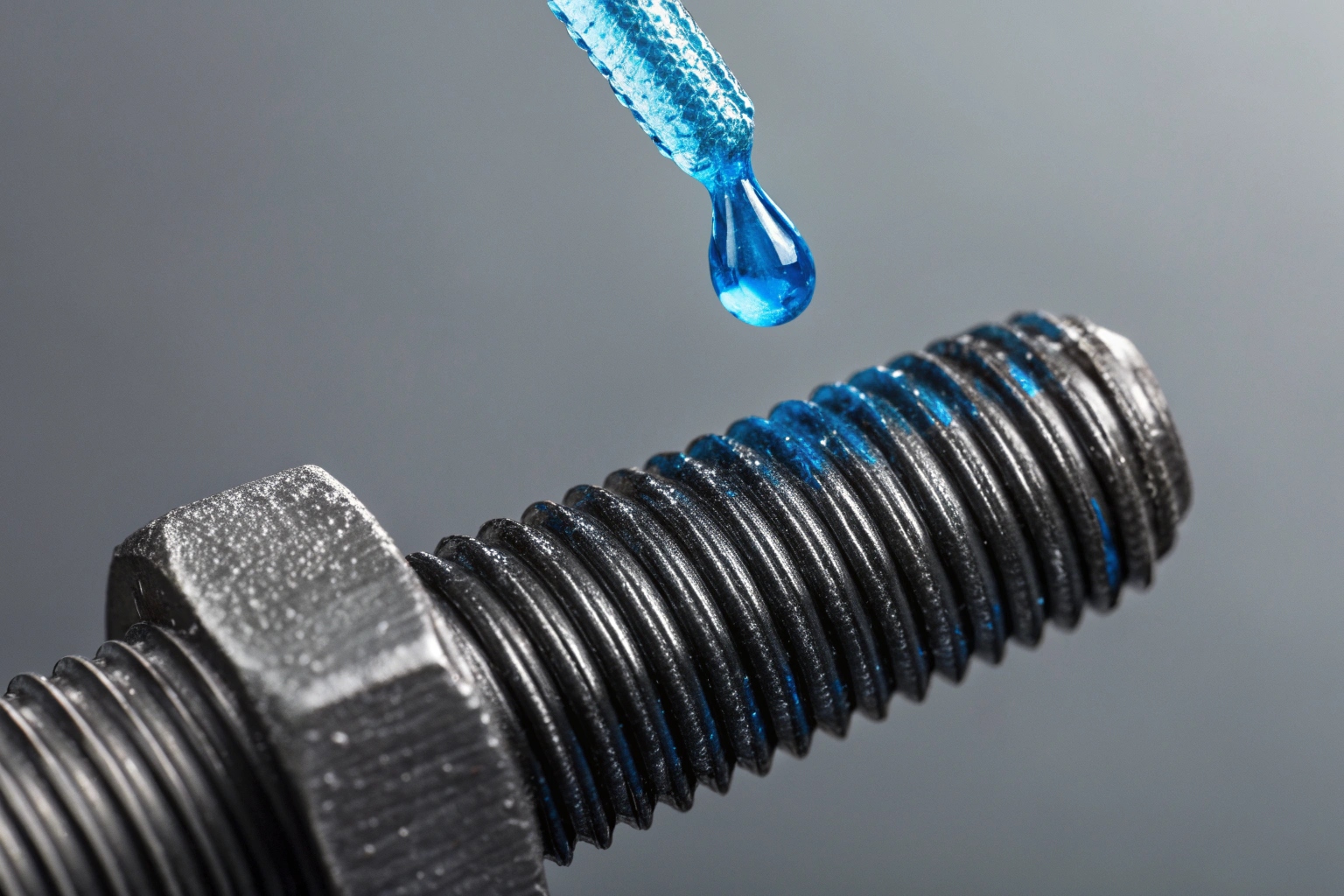
When considering which method is more effective for my customers, it often boils down to convenience and practicality. Tightening bolts to the correct torque provides a consistent preload, preventing vibration-induced loosening. However, thread-locking compounds add an extra layer of security, especially in conditions involving high vibration, acting as a chemical barrier 4 preventing bolt rotation.
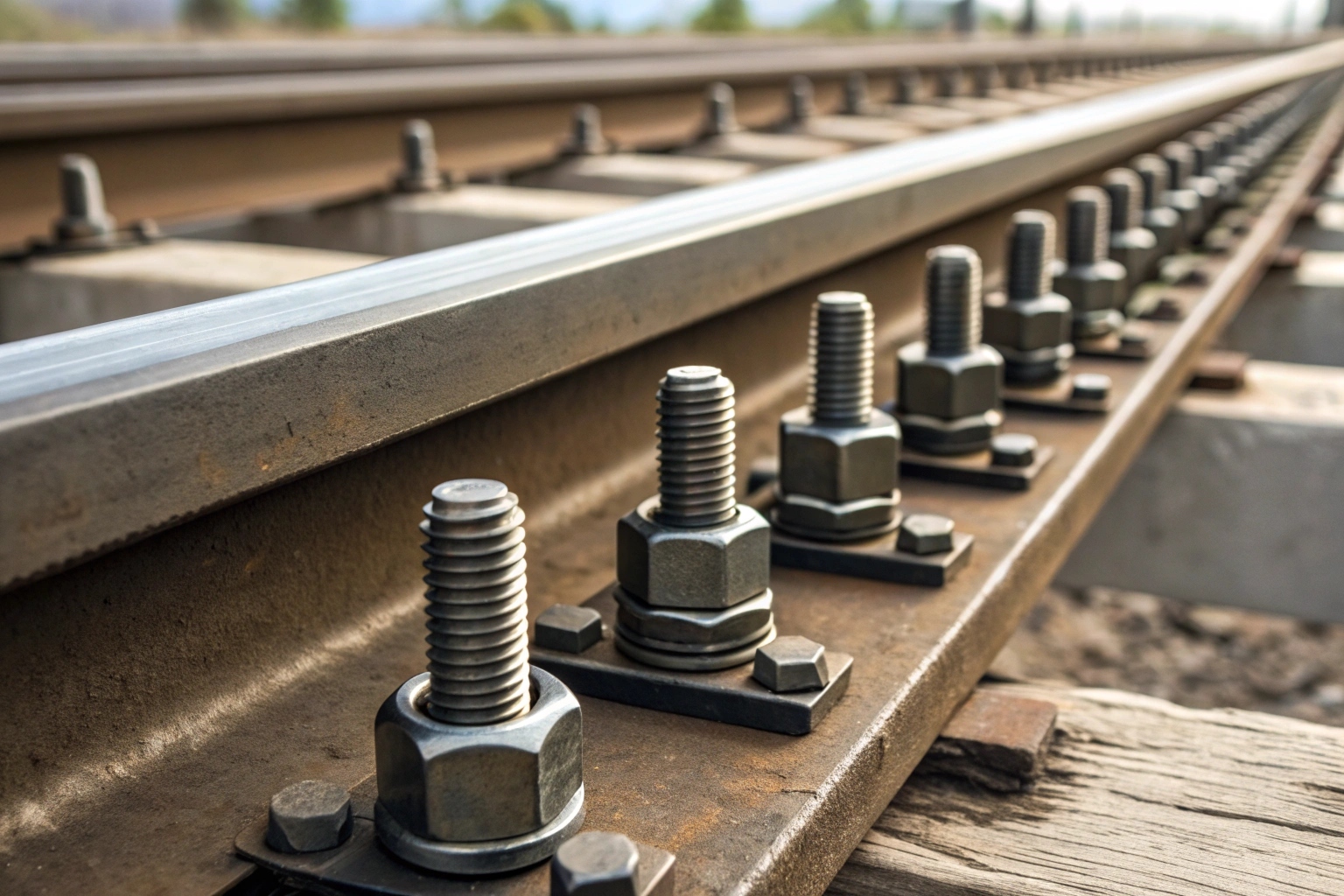
In the context of my industry experience, ensuring correct torque is generally sufficient for most operations, but using thread-locking compounds when necessary provides an added safeguard. Torque provides the mechanical hold, while thread-locking compounds can fill in any gaps left by minor misapplication of torque or unexpected heavy vibrations.
Correct Torque
The application of correct torque should always be prioritized, ensuring bolts are tightened to the specified value, preventing them from being either too loose or overly tightened which could lead to failure.
- Advantages of Correct Torque
- Provides consistent preload
- Prevents over-tightening
- Reduces risk of bolt fatigue
Thread-Locking Compounds
These compounds are particularly useful in environments where vibration is a persistent issue and disassembly is not frequently required.
- Benefits of Thread-Locking Compounds
- Additional layer of security
- Effective in high-vibration conditions
- Protects against corrosion
Both methods, used separately or in combination, have their place depending on the specific requirements of the operation and environmental conditions. Always assess the operational demands before choosing a method.
Are Special Lock Washers Recommended for High-Vibration Environments?
The installation of special lock washers like Nord-Lock 5 in high-vibration environments adds considerable reliability. These washers effectively prevent bolts from loosening by maintaining a high level of torsion and tension, crucial for operations involving constant or heavy vibration.
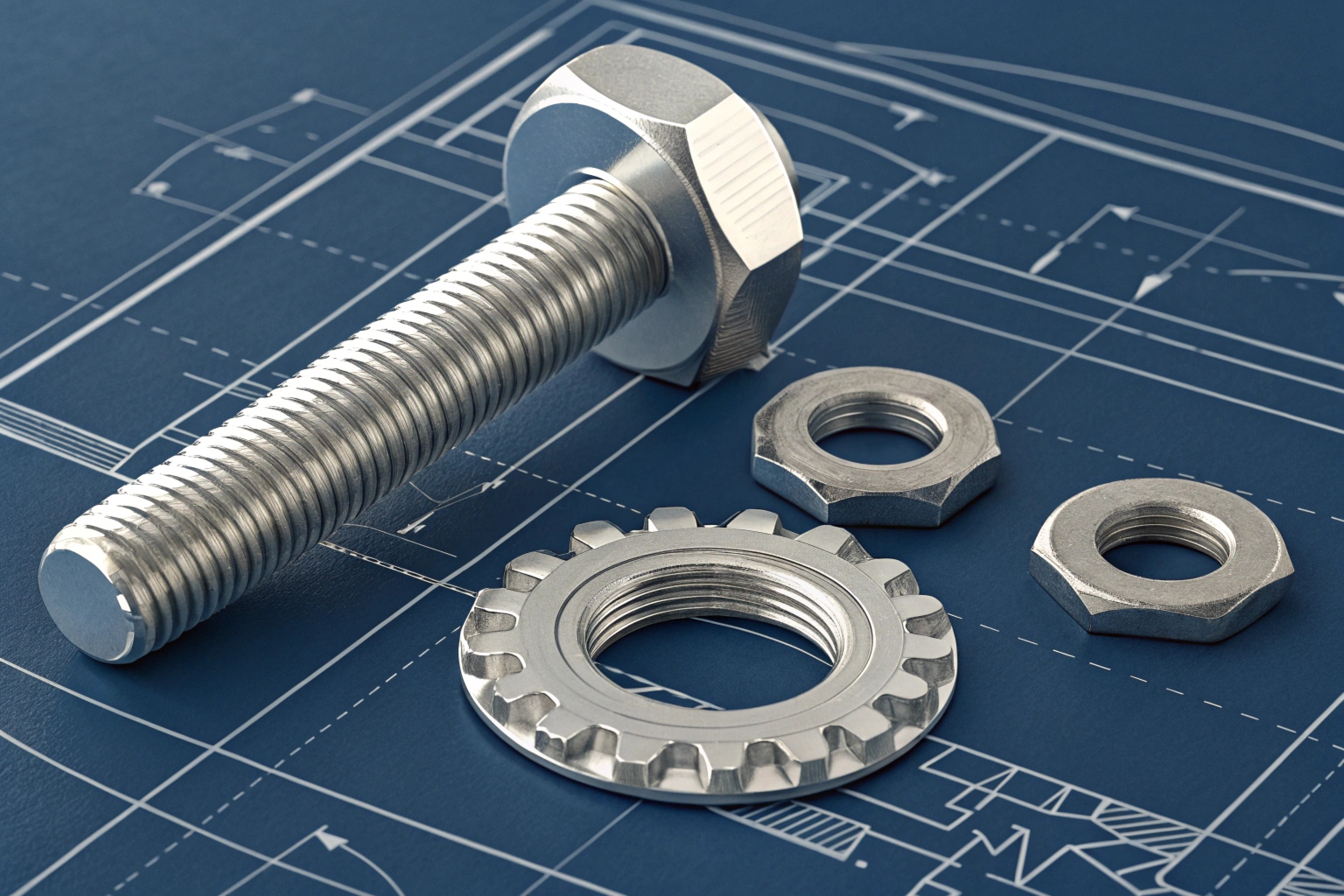
Lock washers, especially those designed with specialized teeth or angles, help to maintain the integrity of bolt tension. This is particularly vital for environments that experience a lot of movement or stress.
Types of Lock Washers
- Nord-Lock Washers: Use wedge-locking technology 6 to prevent loosening
- Toothed Lock Washers: Use their serrated edges to enhance grip
- Belleville Washers: Provide a spring effect 7, maintaining tension
Benefits of Using Lock Washers
Using lock washers supplements torque application by absorbing additional vibrations that may cause loosening over time. They offer a practical approach to enhancing bolt retention in challenging operational environments.
How Often Should I Tell My Customers to Check the Bolt Torque as Part of Their Daily Maintenance?
Regular maintenance checks are crucial, and I always advise customers to make bolt torque checks a part of daily maintenance routines 8. This practice ensures that any loosening is detected early, preventing potential mechanical failures 9.
The frequency of torque checks may vary depending on the operating conditions and workload. However, for optimal safety and performance, a daily inspection allows operators to maintain control over their equipment’s integrity.
Recommended Torque Check Frequency
- After Initial Installation: Recheck after first operation cycle
- Daily Maintenance: Essential, especially in high-vibration areas
- Post-Heavy Operation: Check once more after extensive use or heavy load cycles
Bolt integrity diminishes over time due to regular wear and prolonged exposure to harsh working conditions, thus making regular maintenance checks not just advisable but necessary.
Does Operating on Hard Rock Cause Bolts to Loosen Faster Than in Soft Soil?
Operating on hard rock indeed accelerates the loosening of bolts, given the high vibration and stress involved. The nature of hard rock compacts and the resulting equipment stressors dictate a more rigorous maintenance schedule than softer terrain.

In my experience, understanding the terrain plays a vital role in predicting equipment maintenance needs 10. Hard surfaces are far less forgiving than soft soil, leading to faster wear and influencing equipment performance.
Comparison of Terrain Impact
Hard Rock
- Increases vibration levels
- Requires frequent maintenance
- Greater risk of bolt failure
Soft Soil
- Absorbs impacts better
- Less frequent maintenance needed
- Lower risk of bolt loosening
Accounting for the terrain not only ensures proper maintenance schedules but also extends the life of the equipment used in varying conditions.
Conclusion
By combining correct torque application, thread-locking compounds, and regular maintenance, you can prevent track shoe bolts from loosening. Choose methods based on your operational environment and customer needs to ensure maximum bolt retention.
Footnotes
1. Importance of adhering to OEM torque specs for safety. ↩︎
2. Why precise tools are needed for accurate bolt tension. ↩︎
3. Benefits of using removable threadlockers for serviceability. ↩︎
4. How adhesives prevent movement between threaded assemblies. ↩︎
5. Overview of washer solutions for extreme vibration environments. ↩︎
6. Explanation of how cam-action washers prevent rotational loosening. ↩︎
7. How conical washers maintain tension through thermal cycling. ↩︎
8. Best practices for daily heavy machinery safety inspections. ↩︎
9. Analysis of common causes for equipment bolt breakage. ↩︎
10. Strategies for managing wear in heavy equipment operations. ↩︎